
Guide
How to tell what metal you have
Start with a fridge magnet. If it sticks, the metal is ferrous: steel or iron. If it does not, it is non-ferrous: copper, brass, aluminium, lead or stainless steel, which you then tell apart by colour, weight and where it came from. You do not need to get this right to book a collection, but it helps us plan the van and tells you what you are dealing with.
The magnet test
Iron and steel are magnetic. Copper, brass, aluminium, lead and most stainless steel are not. A fridge magnet is enough. Run it over the item: a firm pull means steel or iron, nothing at all means non-ferrous. The one trap is plated or coated items, a chrome tap that is brass underneath, a steel pan with a copper bottom, where the magnet answers for the base metal rather than the finish. Scratch an edge if you are unsure.
Ferrous: steel and iron
By weight, most of what comes out of a Glasgow home is ferrous: radiators, boilers, washing machines, cookers, gates, railings, bed frames, bikes, shelving, garden tools, the bath. Steel is strong and dents; cast iron is brittle and shatters, which is why old baths and radiators crack rather than bend. Both rust brown. Ferrous metal is plentiful and cheap to make new, so it is traded by the tonne. That is why a collector needs a reasonable amount of it to make a trip worthwhile, and why it is collected free rather than bought.
Copper
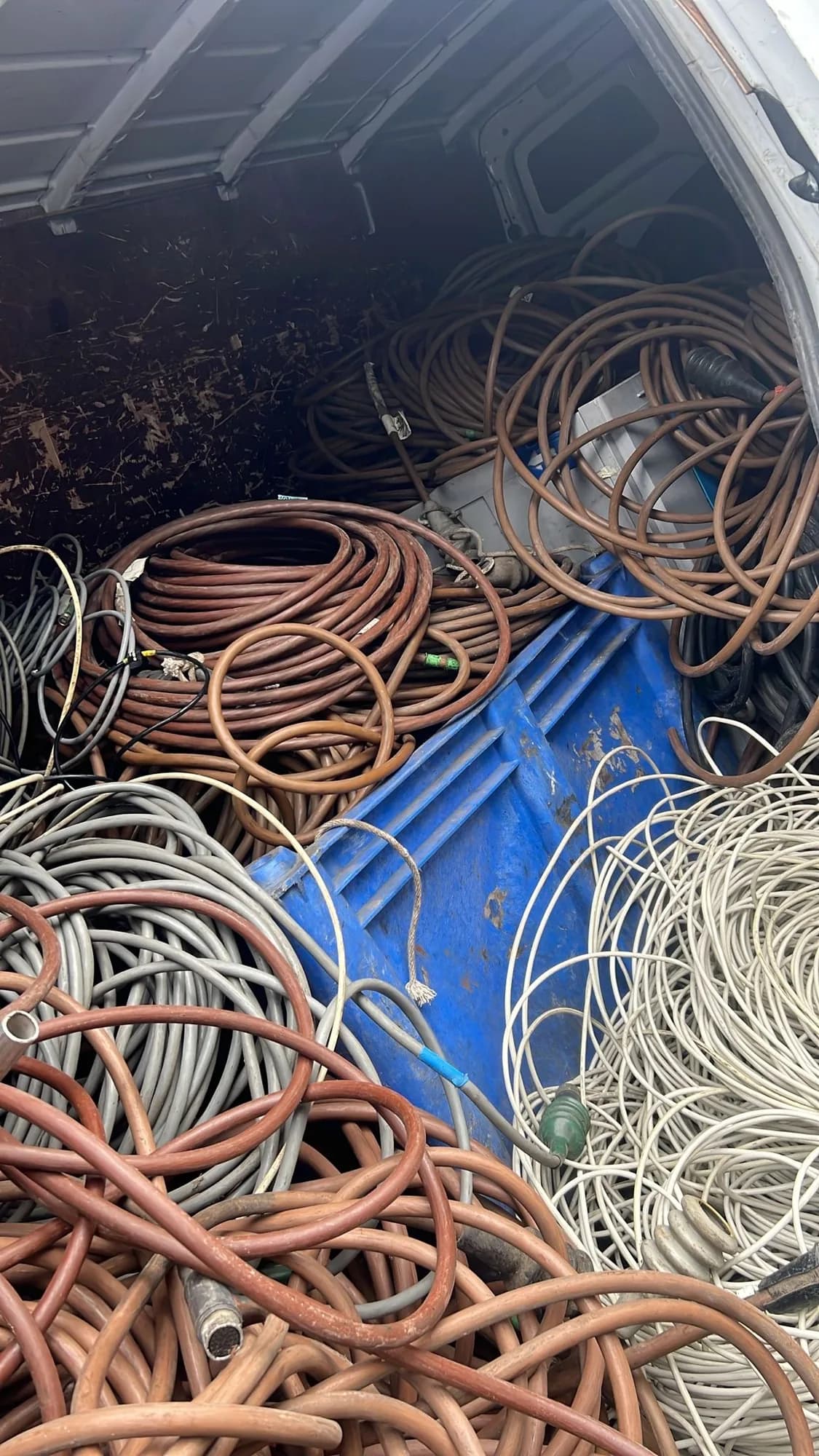
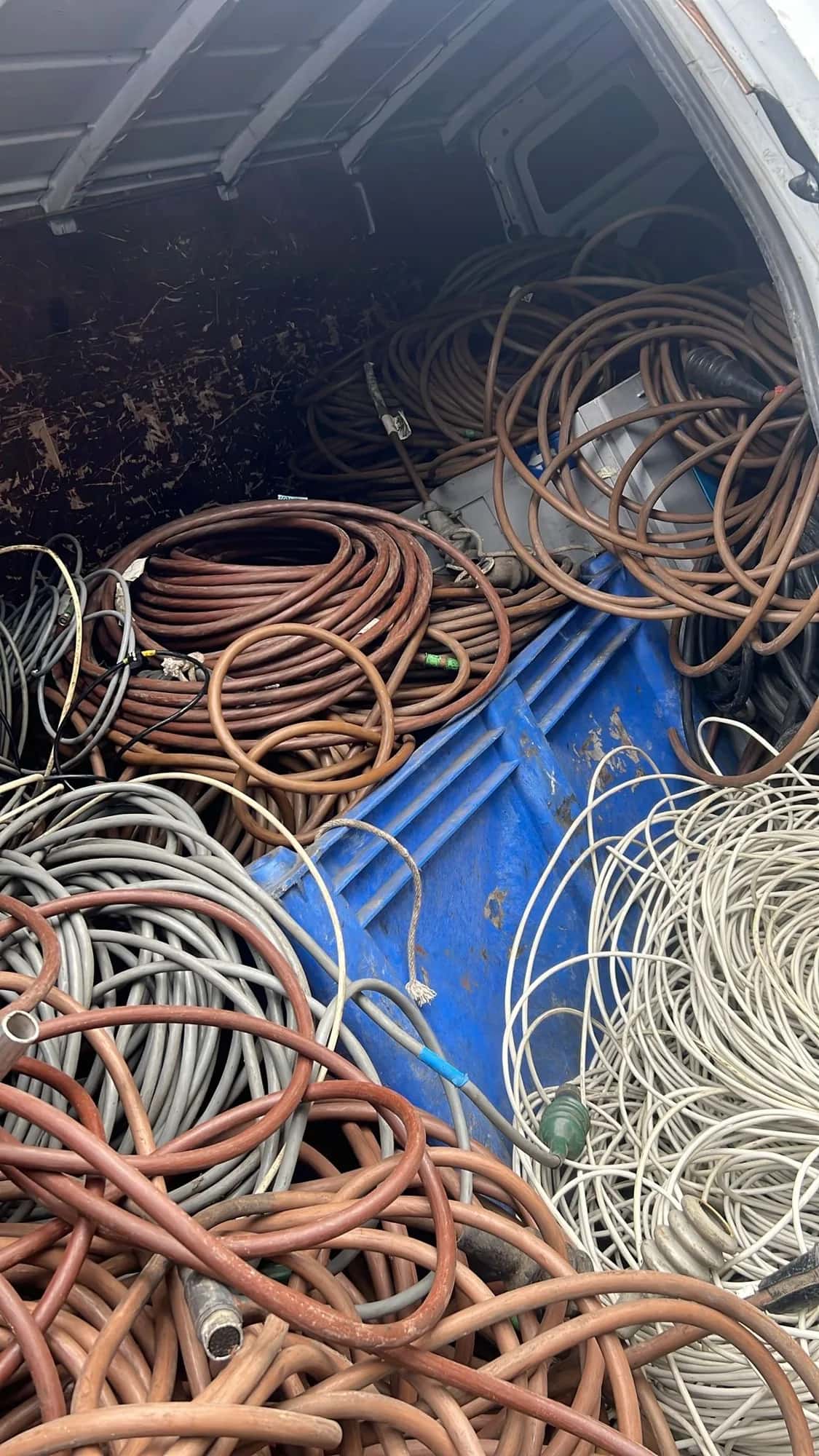
Pinkish-orange when clean, dull brown when old, green when it has been outside for years. Heavy for its size, soft enough to mark with a key, and non-magnetic. At home it is central heating pipe, hot water cylinders, the coil inside an immersion heater, the inside of electrical cable, and some older roof flashing. Copper is the most valuable common scrap metal, which is why cylinders and cable are always worth putting in with a collection and why cable should never be burned to strip it: the fumes are toxic and it is illegal.
Brass
Yellow, going dull gold or brown with age, non-magnetic and heavy. Brass is an alloy of copper and zinc, so it carries real value. It turns up as taps, valves, door handles, plumbing fittings, ornaments, shell cases and old light fittings. A tap that looks chrome is usually brass under the plating; the weight gives it away.
Aluminium
Silver-grey, light, non-magnetic and it does not rust, though it can go chalky white. Window and door frames, conservatory frames, ladders, scaffold towers, greenhouse frames, bike frames, pans, some car parts and ducting. Because it is so light, a big pile of aluminium frames weighs less than it looks, which is worth knowing when you are deciding whether something is worth a trip. It still is: aluminium is valuable per kilo.
Lead
Dull grey, very soft, very heavy and non-magnetic. You can scratch it with a fingernail and it leaves a grey mark on paper. Roof flashing, old pipe, the weights from old sash windows, wheel-balancing weights, and lead-acid batteries. Wash your hands after handling it and keep it away from children. Lead is valuable and always collected, but it needs to go to the right processor, which is one more reason to use a registered carrier.
Stainless steel
Silver, does not rust, and often non-magnetic or only weakly magnetic, which confuses people who expect all steel to grab a magnet. Sinks, catering equipment, extraction hoods, some cutlery and pans, and commercial kitchen fit-outs. It is worth more than ordinary steel but less than copper or brass. If a magnet barely sticks to a sink, that is stainless.
Why it matters when you ask for a collection
You do not need to sort anything. We separate ferrous from non-ferrous when we process a load. But a line in your message, three radiators, a copper cylinder, a pile of aluminium frames, tells us how heavy the job is, how many people to send and whether cutting gear is needed. A photo does the same job faster. What you should not do is break things up, burn cable or strip insulation: it is dangerous and it does not help.
Questions about this
What metals cannot be recycled?
Almost every household metal can be. The items a scrap collector cannot take, fridges, cars, televisions, are refused for handling and licensing reasons, not because the metal is unrecyclable.
Is brass worth anything?
Yes. Brass is non-ferrous and holds real scrap value. Taps, valves and fittings are always worth putting in with a collection. We do not publish prices on this site.
Does paint or rust matter?
No. Painted, rusted or dirty metal is still collected and still recycled. Only heavy contamination, such as metal set in concrete, changes anything.
Do I need to separate the metals before you come?
No. Pile it together. We sort it.
I cannot tell what it is. Does that matter?
Not at all. Text or WhatsApp a photo and we will tell you, and whether it is worth a collection.
Related items we collect
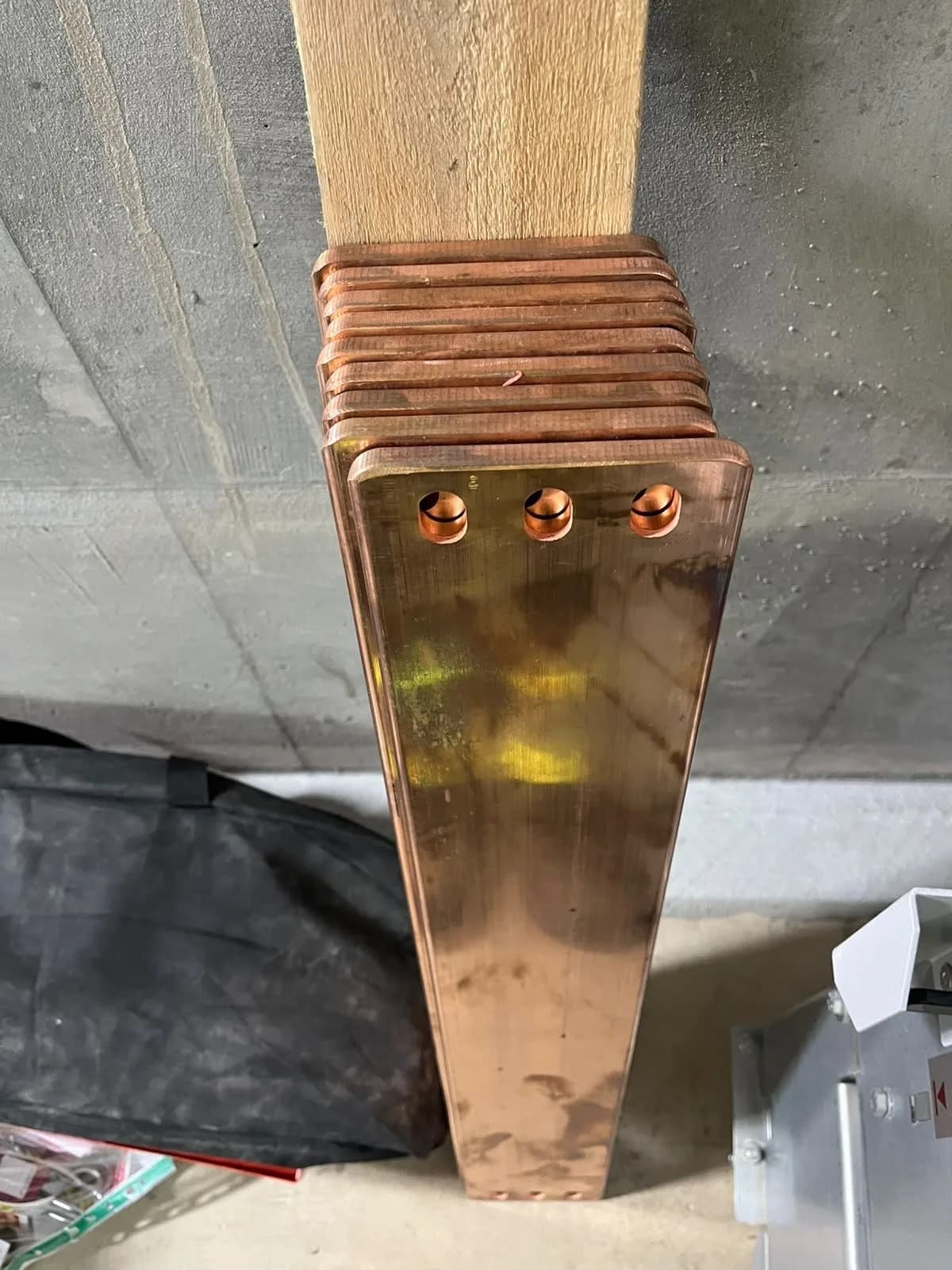 CopperPipe and tube · Hot water cylinders · Stripped wireDetails
- BrassTaps and valves · Fittings · Door furniture
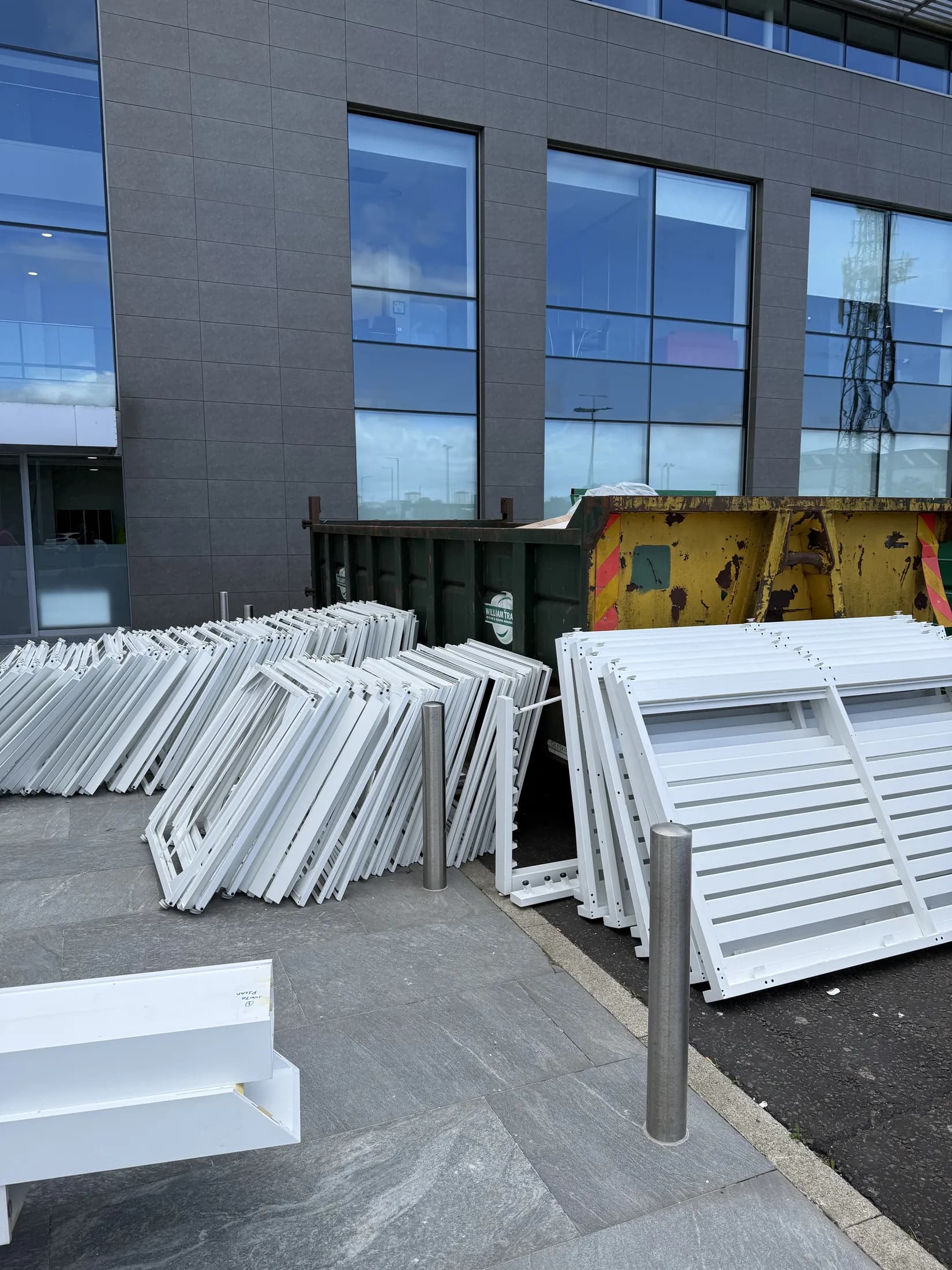 AluminiumWindow frames · Ceiling grid and trunking · DuctingDetails
 LeadFlashing · Old pipe · Weights
- Stainless steelCatering equipment · Sinks · Extraction hoods
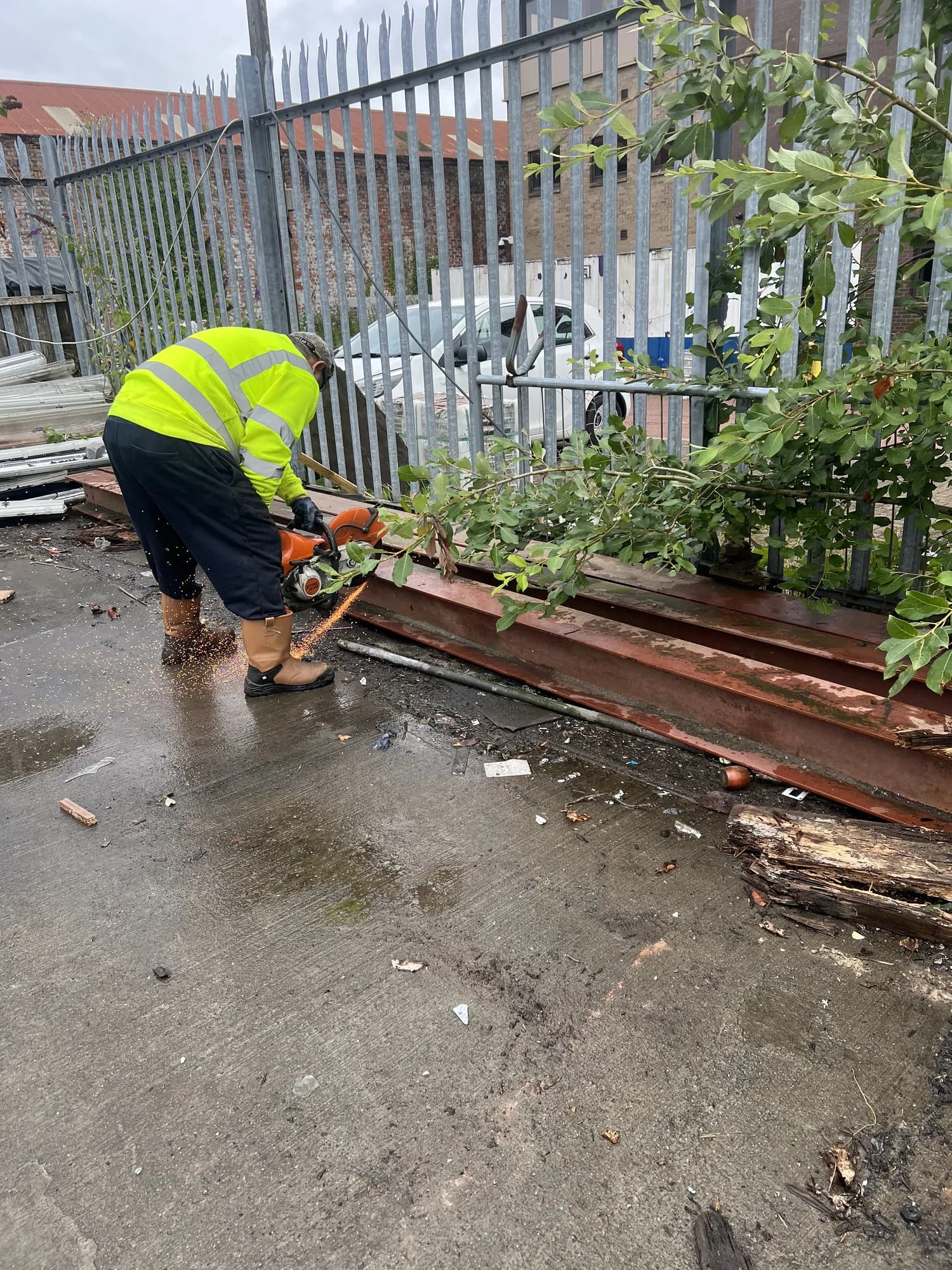 Steel and ironCast iron baths · Shelving and racking · Bed framesDetails
Related services
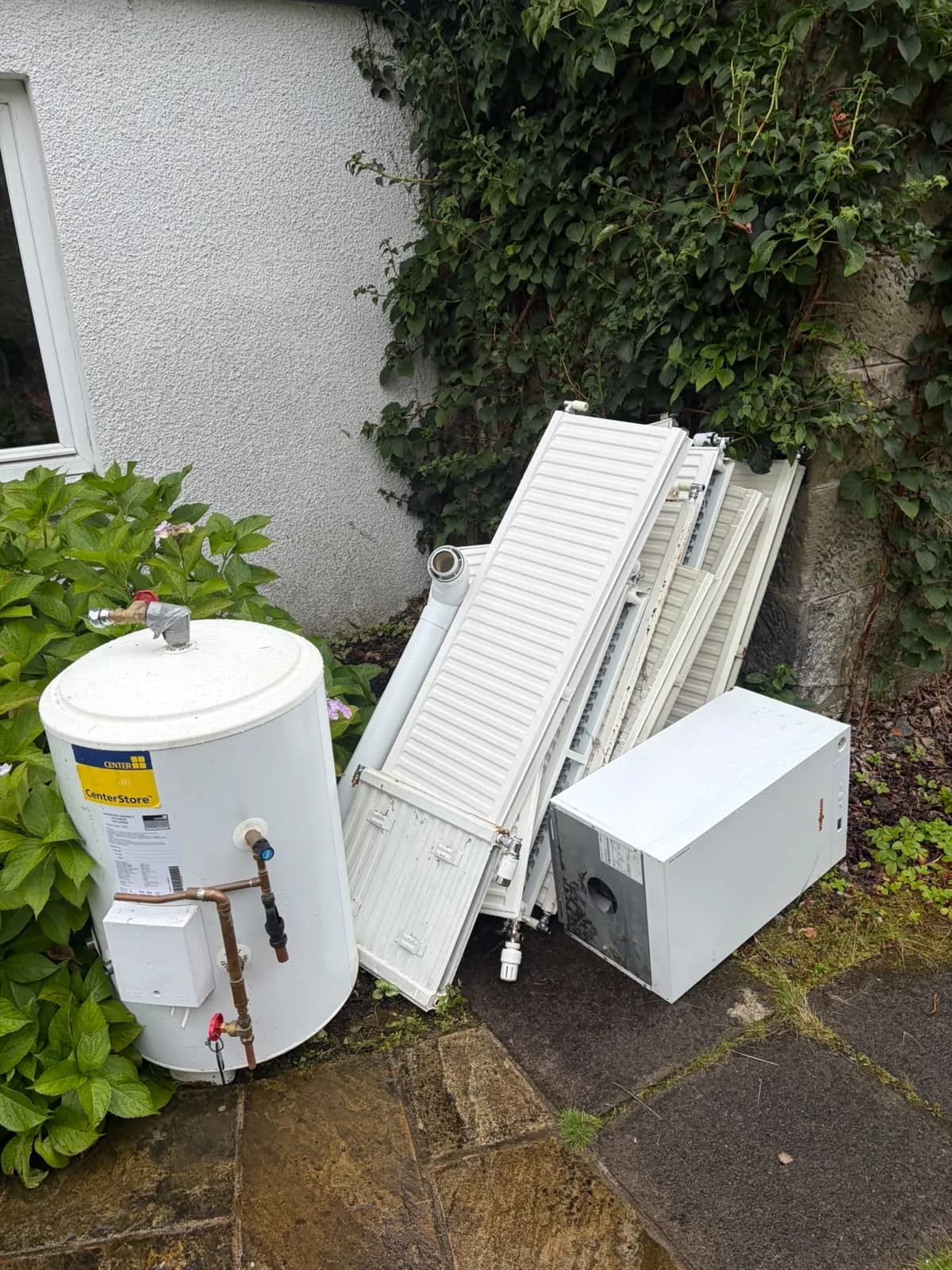
Ready when you are
Got metal to shift?
Send a photo and your postcode. You will get a straight answer and a time.