
Call us on 07876 708929 for Commercial Metal Uplift
Commercial Scrap Metal Recycling: What Actually Happens When Your Steel Leaves the Gate
Most people think commercial scrap metal recycling ends when the lorry drives away with their steel. In reality, that’s where things get interesting. The difference between a business casually dumping old machinery at the nearest yard and one that treats scrap metal as a legitimate revenue stream often comes down to understanding what happens next—and why it matters to your bottom line.
Commercial operations generate substantially different scrap profiles than residential sources. A manufacturing facility in Birmingham might produce tonnes of offcuts with consistent composition, while a demolition contractor in Manchester deals with mixed structural steel that’s been exposed to decades of weathering and contamination. These differences fundamentally alter how recycling facilities approach pricing, processing, and ultimately what ends up in your bank account.
The Reality Behind the Weighbridge
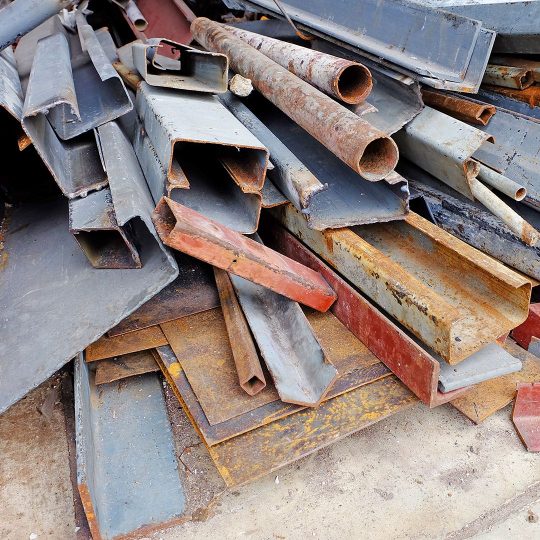
When your commercial scrap arrives at a recycling facility, the weighbridge figure is just the starting point. What matters more is how processors categorise your material. A tonne of clean steel turnings from a machine shop commands entirely different pricing than a tonne of demolition steel with concrete attachments, rust, and unknown coatings. The industry uses grading systems that most sellers never fully understand, which creates opportunities for those who do.
Heavy melting steel, the baseline grade for structural materials, gets quoted most often because it’s what demolition contractors and construction firms typically bring in. But within that category, there’s substantial variation. Material that’s been properly prepared—cut to manageable sizes, free of attachments, sorted by type—moves through processing facilities faster and cheaper, which translates to better pricing for the seller. Some commercial operators have worked out that spending an hour with a cutting torch before delivery can increase their returns by 15-20%, which makes economic sense when you’re dealing with regular volumes.
The contamination question becomes critical at commercial scales. A bit of paint on residential scrap barely registers, but when a manufacturing facility regularly delivers steel with heavy industrial coatings, cutting fluids, or attached non-ferrous materials, processors start adjusting prices downward or rejecting loads entirely. Medical device manufacturers and aerospace operations discovered this the hard way when their exotic alloys, which should command premium pricing, got downgraded because they arrived contaminated with manufacturing residues.
Processing Capacity and What It Means for Pricing
Not all recycling facilities handle commercial volumes equally well. The yard that’s perfect for a builder clearing out a residential renovation might struggle with the 40 tonnes of structural steel from a warehouse demolition. Larger commercial recyclers have invested in heavy-duty shears, balers, and sorting equipment that can efficiently process industrial quantities, and that efficiency shows up in their pricing.
Facilities with modern shredding operations can handle materials that smaller yards reject outright. Mixed loads, light-gauge steel with plastic attachments, or materials that would require extensive hand-sorting elsewhere become economically viable at operations with the right equipment. This matters when you’re a commercial generator trying to maximise returns while minimising the labour involved in preparing materials for sale.
The relationship between processing capability and pricing isn’t always obvious. A facility might quote lower prices for clean material than a competitor but offer better rates on mixed or contaminated loads because their processing systems handle it more efficiently. Commercial generators who understand this can route different material streams to different buyers, optimising returns across their entire scrap output.
Volume Dynamics and Long-Term Relationships
Commercial scrap metal recycling operates differently than spot sales because both parties benefit from predictability. Recycling facilities need consistent feedstock to keep their processing lines running efficiently, while commercial generators need reliable outlets that won’t suddenly drop pricing or reject materials when market conditions shift.
These relationships create pricing dynamics that smaller sellers never access. A manufacturing operation that consistently delivers five tonnes weekly of clean steel scrap develops leverage that a contractor bringing in occasional loads cannot match. The predictability allows recyclers to plan their processing schedules, commit to downstream buyers, and generally operate more efficiently—benefits they can share through better pricing.
However, these relationships also create dependencies that cut both ways. During market downturns, commercial generators with established relationships often maintain better pricing than spot sellers because recyclers value the consistent supply. Conversely, when prices spike rapidly, spot sellers can sometimes capture better rates by shopping around aggressively, while contract sellers might be locked into less favourable terms temporarily.
The contract versus spot decision occupies considerable attention in commercial operations large enough to generate regular scrap volumes. Fixed-price contracts provide budget certainty but surrender upside when markets strengthen. Floating-price arrangements linked to published indices better track market movements but introduce revenue volatility. Most sophisticated commercial generators use hybrid approaches, contracting portions of their expected scrap generation while maintaining flexibility to capture spot market opportunities.
Specialised Materials and Niche Markets
Commercial operations often generate scrap categories that command substantial premiums over basic structural steel—if you know what you’ve got and how to sell it. Stainless steel from food processing equipment, tool steels from manufacturing operations, and high-strength alloys from engineering applications can be worth multiples of ordinary carbon steel pricing.
The identification challenge stops many commercial sellers from capturing this value. Stainless looks similar to ordinary steel in many applications, and without magnetic testing or other verification, it gets lumped into lower-value categories. Some commercial operations have started using handheld XRF analysers to verify material grades before sale, an investment that pays for itself quickly when you’re regularly handling mixed materials that might include valuable alloys.
Tool steel deserves particular attention from manufacturing operations. Dies, moulds, cutting tools, and similar items contain valuable alloying elements that make them worth considerably more than structural steel. However, they often get lost in mixed loads because they’re physically small compared to other scrap. Segregating these items and selling them separately to buyers who specialise in tool steel recycling can substantially increase returns.
Electrical steels from transformers and motors represent another specialised category where proper identification matters. The silicon content that makes these materials useful for magnetic applications also makes them valuable to recyclers who understand how to process and market them appropriately. Many commercial electrical contractors and maintenance operations unknowingly surrender value by mixing these materials with ordinary scrap.
Transportation Economics at Commercial Scale
Moving commercial quantities of scrap metal involves different economics than residential recycling. A few hundred kilograms fits in a van, but commercial demolition or manufacturing scrap measured in tens of tonnes requires articulated lorries and corresponding logistics planning.
The transportation cost per tonne drops dramatically with volume, which creates interesting dynamics. A facility generating enough scrap to fill a lorry can negotiate collection terms that smaller generators cannot access. Some commercial operations work backwards from this reality, timing their scrap accumulation and site preparation to ensure full loads when collection occurs, maximising the efficiency of transportation and therefore improving net returns.
Location becomes more significant at commercial scales because transportation represents a larger absolute cost. A manufacturing facility in central England has different options than a coastal operation in Scotland, not just because of distance to processors but because of access to export markets, proximity to steel mills that might directly accept scrap, and the concentration of competing recyclers in the area.
The collection versus delivery decision depends heavily on these transportation economics. Small quantities almost always favour delivery to recyclers because the overhead of dispatching collection vehicles doesn’t make economic sense. Large quantities shift the equation, particularly when processors compete for consistent commercial feedstock. Some commercial generators have discovered they can negotiate better overall terms by arranging their own transportation, giving them flexibility to shop different processors without depending on collection schedules.
Regulatory Compliance and Documentation
Commercial scrap metal recycling operates under substantially more regulatory scrutiny than residential transactions. The Scrap Metal Dealers Act requires proper identification and documentation, but commercial sellers face additional considerations around duty of care, waste transfer notes, and potentially WEEE regulations depending on what they’re recycling.
Manufacturing operations and contractors who ignore these requirements create liability that extends beyond the sale transaction. If your scrap ends up at an unlicensed processor or gets exported illegally, the regulatory consequences can trace back to the original generator. This risk concentrates commercial sellers toward established, properly licensed recycling facilities even when smaller operations might offer marginally better pricing.
The documentation burden varies with material type and quantity. Basic structural steel from demolition requires straightforward waste transfer documentation, but electronic scrap, end-of-life vehicles, or materials that might contain hazardous substances involve considerably more complex compliance requirements. Commercial generators who understand these distinctions can structure their scrap management to minimise administrative overhead while maintaining full compliance.
Some commercial operations have discovered that robust documentation practices actually improve their pricing by making them more attractive suppliers to processors who value compliance and traceability. When recyclers can confidently verify material origins and composition, they can commit that material to downstream buyers more readily, which translates to better pricing for the original seller.
Market Intelligence and Timing
Commercial scrap metal recycling rewards market awareness in ways that residential recycling doesn’t. When you’re dealing with occasional small quantities, market timing barely matters—the convenience of clearing out materials outweighs small price variations. At commercial scales, a 10% price swing on regular scrap generation represents substantial revenue differences over a year.
Published price indices provide baseline market intelligence, but they lag actual transaction prices and vary by region and material specification. Commercial sellers who develop relationships with multiple processors gain better real-time market understanding by comparing quotes and observing how pricing evolves across different buyers.
The global commodity market cycles that drive scrap steel pricing operate on timescales ranging from months to years. Chinese steel production and construction activity, European manufacturing output, and infrastructure spending across developed economies all influence UK scrap pricing with varying lag times. Commercial generators with storage capacity and cash flow flexibility can sometimes benefit by timing larger sales around these broader cycles, though the storage and opportunity costs of holding material must factor into any such decisions.
Seasonal patterns affect commercial scrap pricing less dramatically than construction cycles and major industrial projects. When large infrastructure projects enter active construction phases, they both generate scrap from demolition and consume steel that drives virgin production demand—both factors that typically support stronger scrap pricing. Conversely, economic downturns that reduce construction and manufacturing activity weaken demand and often depress scrap pricing substantially.
The Grading Conversation
Commercial sellers often stumble over the grading assessment that determines actual pricing. You might think you’re delivering premium material while the processor sees it differently, leading to pricing disputes that damage relationships and cost money.
Understanding how processors evaluate material helps commercial sellers prepare loads appropriately. Thickness matters—thick structural steel generally commands better pricing than thin sheet materials because it’s more efficient to process. Cleanliness matters—material free of paint, concrete, and attachments processes faster and more cheaply. Size matters—steel that’s already cut to processable dimensions moves through facilities more efficiently than oversized pieces requiring additional cutting.
Some commercial operations have found success by asking processors to evaluate sample materials before committing to larger sales. A manufacturing facility unsure about the grade classification of their production scrap can bring a sample for assessment, clarifying pricing expectations before delivering full loads. This transparency benefits both parties by preventing disputes and ensuring materials go to processors equipped to handle them appropriately.
The “prepared” versus “unprepared” distinction often creates the largest pricing gaps in commercial transactions. Prepared scrap has been sorted, cleaned, and cut to specification—it arrives ready for processing. Unprepared material requires additional work before it can enter processing systems. The price difference between these categories sometimes exceeds 30%, which makes preparation economics worth careful consideration for commercial generators.
Establishing Performance Metrics
Sophisticated commercial operations treat scrap metal as a measurable business activity rather than an afterthought. Tracking revenue per tonne sold, monitoring pricing trends across different material categories, and evaluating returns from different processors creates visibility that enables improvement over time.
Manufacturing facilities can often tie scrap generation to production volumes, allowing them to forecast recycling revenue as part of their financial planning. This predictability helps with budgeting and creates opportunities to optimise scrap management practices based on clear financial metrics rather than vague assumptions.
Some commercial operations have discovered that their scrap recycling practices affect other business costs. Properly managing scrap reduces waste disposal expenses, improves site organisation, and can even influence insurance costs through better risk management. These indirect benefits often exceed the direct recycling revenue, particularly for operations generating mixed waste streams where better sorting and segregation creates value across multiple categories.
The Role of Ferrous Versus Non-Ferrous Separation
Commercial operations typically generate mixed metal waste that includes both ferrous (steel and iron) and non-ferrous materials (copper, aluminium, brass, etc.). The pricing difference between these categories means that separation makes enormous economic sense even when it requires additional labour.
A demolition contractor who takes the time to separate copper wiring, aluminium fixtures, and brass fittings from structural steel can often double or triple the total value extracted from a project compared to selling everything as mixed material. The labour investment required for this separation typically pays for itself many times over, even at UK labour rates.
Manufacturing operations with regular scrap generation can systematically implement segregation practices that capture this value with minimal ongoing effort. Separate bins for ferrous and non-ferrous materials, training for staff on identification, and procedures that route different materials to appropriate containers during normal operations creates value without substantial ongoing cost.
The separation question becomes particularly important for materials where small high-value components are embedded in larger low-value assemblies. Electric motors contain valuable copper windings wrapped around steel laminations. Stainless steel equipment might have brass or copper fittings attached. Commercial sellers who disassemble these items and segregate the components almost always improve their total returns substantially.
Building Processor Relationships
Commercial scrap metal recycling benefits from relationship development in ways that surprise businesses accustomed to purely transactional commodity markets. Processors who trust your material quality, value your volume consistency, and appreciate your professional approach often extend preferential pricing, flexible payment terms, and accommodation during market disruptions.
These relationships develop through consistent professional behaviour—delivering materials as described, maintaining reasonable quality standards, communicating clearly about quantities and timing, and understanding the processor’s business constraints. Commercial sellers who approach recycling relationships as partnerships rather than adversarial negotiations typically achieve better long-term results.
The trust factor becomes particularly valuable during problem situations. When a commercial generator occasionally delivers material that doesn’t meet usual specifications—perhaps due to an unusual project or temporary change in operations—established relationships allow constructive problem-solving rather than rejected loads or immediate pricing penalties. Processors who know your normal standards will work with you through exceptions because they value the overall relationship.
Some commercial operations have found that transparency about their business cycles helps processors provide better service. A manufacturer who can forecast higher scrap generation during busy seasons or a contractor who knows about upcoming large projects allows recyclers to plan collection logistics and processing capacity accordingly, which often translates to better pricing and service.
The Export Market Factor
UK scrap metal recycling exists within a global market where international pricing often influences domestic transactions. When strong demand from overseas buyers drives up export pricing, domestic processors must compete for material by raising their own prices. Conversely, weak export markets can depress UK scrap pricing even when domestic demand remains stable.
Commercial sellers rarely engage directly in export transactions, but understanding how export market dynamics affect domestic pricing provides useful context for timing and negotiation. When global steel production is strong and scrap demand is high, that’s obviously a better time to be selling accumulated materials than during periods of weak international demand.
Brexit has complicated UK scrap exports by introducing documentation requirements and potential delays that didn’t previously exist. These frictions have made export markets marginally less accessible for UK processors, which can sometimes depress pricing slightly compared to pre-Brexit conditions. However, the fundamental global demand dynamics still dominate pricing, and the UK’s position as a significant scrap generator ensures continued strong market access.
Environmental Considerations and Corporate Policy
Commercial organisations increasingly face stakeholder pressure around environmental performance, making scrap metal recycling not just a revenue opportunity but a sustainability imperative. Demonstrating high recycling rates, minimising waste to landfill, and working with certified processors all contribute to corporate environmental credentials.
Some commercial sellers have discovered that documentation of recycling activities supports broader sustainability reporting requirements. Properly tracking scrap volumes, obtaining certificates from processors regarding materials recycling, and maintaining transparent records helps satisfy environmental audit requirements while also optimising the financial returns from recycling activities.
The certified processor consideration matters more for commercial sellers than residential ones because corporate environmental claims require substantiation. Working with processors who hold appropriate environmental certifications, comply with all regulations, and can provide detailed documentation of how materials are recycled reduces risk for commercial sellers making environmental performance claims.
Commercial scrap metal recycling sits at the intersection of waste management, commodity markets, logistics, and environmental responsibility. Operations that treat it as a serious business activity—developing market knowledge, optimising preparation practices, building processor relationships, and measuring performance—consistently achieve better results than those who view it as merely disposing of unwanted materials. The difference often amounts to substantial sums annually, making professional attention to scrap management a sensible investment for any commercial operation that regularly generates steel and other metallic waste.